Ever seen a condo you love in Ocean City, then paused at the monthly fee? You are not alone. Condo fees can look confusing, and on the coast they often feel higher than you expect. The good news is those dollars pay for real services, protections, and long-term maintenance that keep your building safe and enjoyable.
In this guide, you will learn what Ocean City condo fees typically cover, how they affect your monthly payment and loan approval, and what to review before you buy. You will also see examples of how oceanfront and bayfront buildings differ. Let’s dive in.
What condo fees usually cover
Insurance: master policy and your HO-6
Most associations buy a master insurance policy that covers the building’s common elements, exterior, and liability. Coverage can be “bare walls” or “all-in,” so you need to confirm whether it includes structural components, the roof, exterior, and major mechanicals. Coastal buildings often carry separate windstorm or flood policies with higher, sometimes percentage-based, deductibles.
You will also carry a unit-owner HO-6 policy. This typically covers your interior finishes, personal property, loss of use, and the share of a master policy deductible if the association’s policy leaves a gap. Ask how wind and flood deductibles are allocated so you understand your exposure.
Common area maintenance and operations
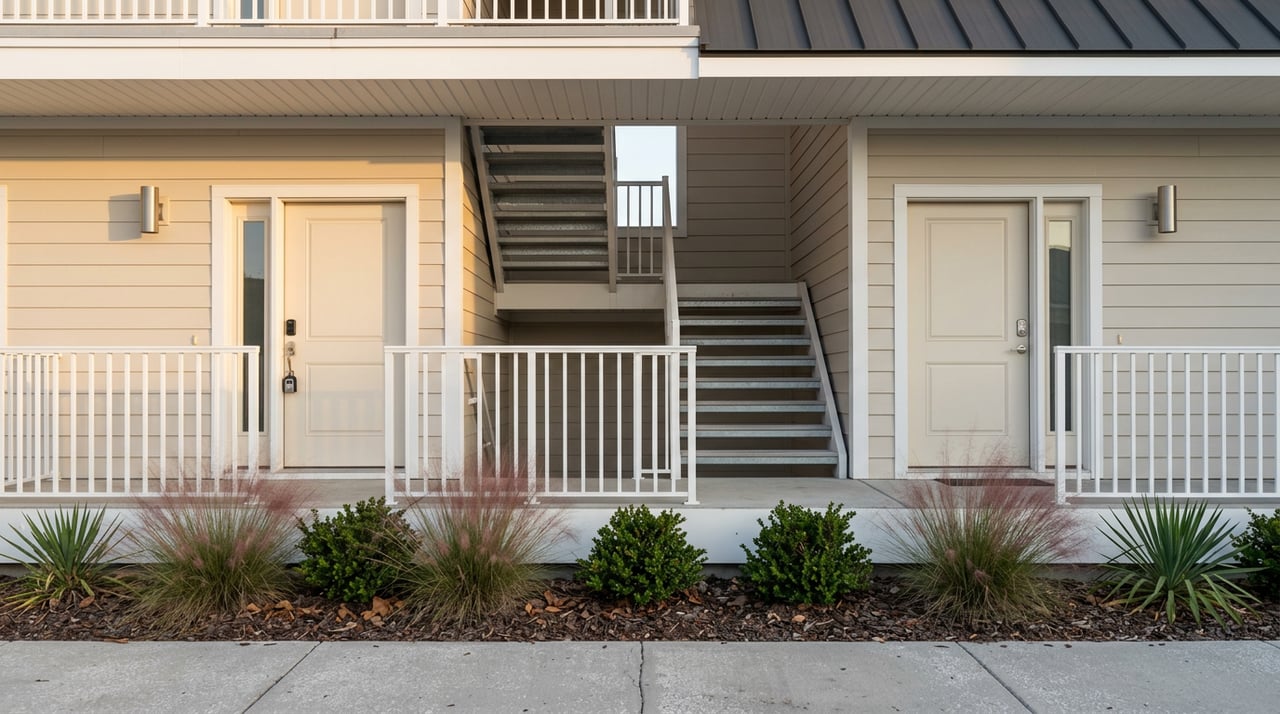
Condo fees fund common area maintenance (CAM) and day-to-day operations. Typical items include janitorial services, landscaping, corridor and lobby upkeep, pest control, elevator maintenance, exterior painting, and power washing that is especially important in a marine environment. Contracted services are often a major recurring cost in Ocean City buildings.
Utilities and services
Some associations include water, sewer, trash, and even cable or Internet in the monthly fee. Others bill them separately. This can change your monthly cost comparison between buildings, so always verify what is included.
Reserves for big-ticket items
A portion of your fee goes to reserves for future repair and replacement of major components like roofs, elevators, parking structures, HVAC systems, and façade work. Healthy reserves are guided by a reserve study, which estimates useful life and costs. Adequate funding lowers the risk of one-time special assessments.
Amenities and management
Pools, fitness rooms, clubhouses, security, and on-site management add convenience and value. They also increase operating costs. Associations pay management company fees as part of the budget.
Taxes and assessments
Condo fees do not replace your property taxes on the unit. Taxes are separate unless an unusual master parcel arrangement exists. Associations can levy special assessments for unexpected or large capital projects.
Administrative and legal costs
Budgets also include accounting, audits, legal expenses, and insurance premiums. Litigation risk and rising insurance costs can affect fees.
How fees affect your loan and monthly cost
Lenders count condo fees in DTI
Your total monthly housing cost includes your mortgage principal and interest, property taxes, HO-6 policy, condo fee, mortgage insurance if applicable, and flood insurance if required. Conventional lenders, along with FHA and VA programs, treat the monthly condo fee as a recurring debt in your debt-to-income ratio. Higher fees can reduce borrowing power even if the mortgage payment alone looks comfortable.
Project approval matters
Conventional loans follow project review standards that look at reserves, litigation, owner-occupancy, investor concentration, and delinquency rates. FHA and VA also rely on project approval status and consider similar factors. If a building has low reserves, high delinquencies, heavy investor concentration, or ongoing litigation, financing options can shrink or come with extra conditions.
Practical steps with your lender
- Ask your lender early about condo project requirements and any overlays.
- Have the condo questionnaire and budget reviewed as soon as you are under contract.
- Share reserve studies, insurance summaries, and any notices of special assessments.
- If you are using FHA or VA, confirm whether the building qualifies or whether single-unit approval is possible.
Coastal factors that drive Ocean City fees
Flood zones and flood insurance
Ocean City includes FEMA high-risk flood zones such as AE and V. If the building is in a Special Flood Hazard Area and you have a federally backed loan, flood insurance is typically mandatory. Some associations buy a building-level flood policy, while unit owners still need their own interior coverage. Premiums vary by elevation, building type, and whether coverage is through the NFIP or a private insurer.
Windstorm coverage and deductibles
Coastal buildings often have windstorm coverage with separate, percentage-based deductibles. These can increase out-of-pocket costs after a storm and should be part of your insurance planning.
Salt air and accelerated wear
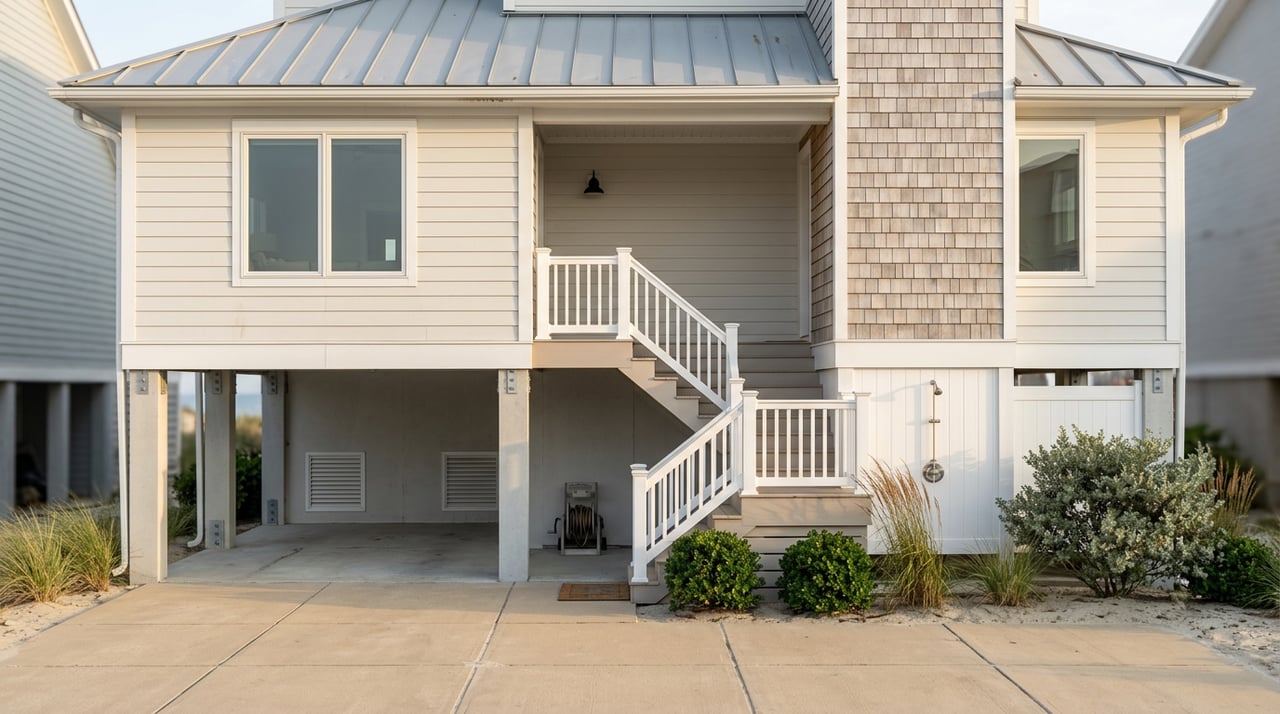
Salt air accelerates corrosion of metal and shortens the life of exterior coatings, railings, and mechanical systems. This means more frequent maintenance, more frequent repainting, and earlier component replacement, which increases both CAM costs and reserve needs.
Storm history and special assessments
Major storms can lead to significant repairs and special assessments. Ask about the building’s history of repairs after past hurricanes and nor’easters, and whether owners faced assessments.
Local rental dynamics
Ocean City’s strong short-term rental market influences HOA rules, seasonal services, and wear on buildings. Check association rental policies and any town licensing or taxes that affect your rental income if you plan to rent.
Oceanfront vs bayfront: what to expect
Example A: Oceanfront high-rise
Likely characteristics:
- Greater exposure to wind and wave-driven surge, which often means higher flood and wind premiums and percentage-based deductibles.
- Exterior envelope and balcony systems require more frequent maintenance and restoration.
- Amenity packages may include pools, security, beach access, covered parking, and on-site staff, which increase fees.
- Reserves must plan for elevator overhauls, façade work, and potential seawall or structural items.
Buyer considerations:
- Confirm whether the master policy covers structural components and how wind and flood deductibles are handled.
- Ask about recent or recurring special assessments tied to storm seasons and exterior restoration.
- Review rental restrictions and any seasonal occupancy rules.
Example B: Bayfront or marina-side mid-rise
Likely characteristics:
- Lower wave exposure than oceanfront but still subject to tidal flooding and salt air.
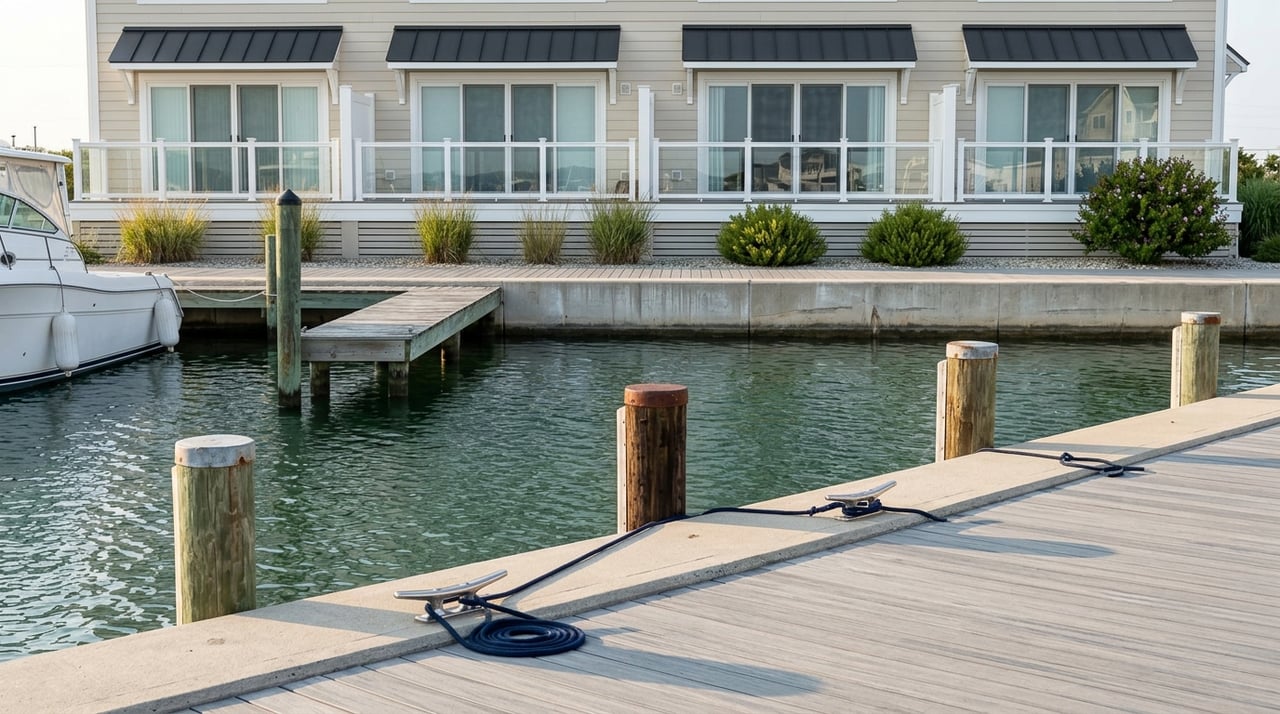
- Marina infrastructure such as docks and pilings can create separate reserve lines and costs.
- Amenities may be lighter than a high-rise, which can lower fees, but marina maintenance can be significant and sometimes assessed separately.
Buyer considerations:
- Clarify whether dock or marina costs are in the regular fee or billed as separate assessments.
- Ask about slip ownership versus assignment, dredging responsibilities, and related liabilities.
Fee ranges in Ocean City
Monthly condo fees vary widely by building age, location, and amenities. You will see fees that range from several hundred dollars per month to more than one thousand dollars per month for larger or amenity-rich oceanfront properties. Review current listings and recent sales for the most accurate picture by building.
What to review before you buy
Key documents to request early
- Current year budget and prior-year budgets
- Most recent financial statements and bank statements
- Reserve study and the current reserve account balance
- Board meeting minutes for the last 12 to 24 months
- Condo declaration, bylaws, and rules and regulations
- Certificate of insurance and summaries of wind and flood coverage with deductibles
- Owner delinquency summary or percentage delinquent
- Any open or recent special assessments and a 5 to 10 year history of assessments
- Pending litigation disclosures
- Owner-occupancy and investor mix if available, including single-owner concentrations
- Management contract and fees
- Estoppel letter
- Rental policy if you plan to rent
Red flags to investigate
- No reserve study or underfunded reserves relative to upcoming projects
- Large, unresolved litigation
- High owner delinquency rates
- Low owner-occupancy that could affect loan approval
- Operating deficits or repeated special assessments
- Insurance gaps, especially missing flood coverage in a flood zone
Timing that keeps your deal on track
- Request budgets, reserve studies, and insurance summaries with your offer or during your first contingency period.
- Have your lender review project documents early to avoid last-minute surprises.
- If assessments are anticipated, ask how they will be paid and whether your lender requires escrows.
Budgeting tips for second homes and rentals
- Build your monthly number using mortgage principal and interest, property taxes, HO-6, condo fee, flood insurance if required, and any mortgage insurance. Do not forget utilities that are not included in the fee.
- Confirm if the association requires specific HO-6 coverage amounts or that unit owners share in the master policy deductible.
- For primary residences, HOA dues are generally not deductible as itemized personal expenses. For rental properties, HOA dues are generally deductible against rental income. If you plan to rent, consult a qualified tax advisor.
- Ask your lender if reserves or escrows are required for known or potential assessments.
Quick buyer checklist
Before making an offer:
- Get a fee breakdown and the current budget and reserve study.
- Confirm what the fee includes, such as water, sewer, trash, cable, Internet, parking, and on-site staff.
- Review recent board minutes and any notices about upcoming repairs or assessments.
- Obtain the insurance certificate and ask about wind and flood deductibles.
During contract and escrow:
- Order the estoppel letter and review delinquency history.
- Have your lender review condo project status and any needed approvals.
- Get quotes from an insurance agent for HO-6 and any required flood or wind coverage.
- Schedule inspections, and if possible, bring a coastal building specialist for envelope-related items.
Resolve before closing:
- Address reserve shortfalls, assessments, litigation, insurance gaps, and high delinquencies.
- Confirm how any assessments will be paid and whether they must be escrowed.
If you want a clear view of a specific building’s budget, reserves, insurance, and rental rules, we can help you gather and interpret the documents so you can buy with confidence. Reach out to the concierge team at Shore4U Real Estate for guidance rooted in decades of local experience.
FAQs
What do Ocean City condo fees typically include?
- Fees usually fund building insurance for common areas, maintenance and operations, utilities if included by the association, reserves for big projects, amenities, management, and administrative and legal costs.
How do condo fees affect mortgage approval in Ocean City?
- Lenders add the monthly fee to your debts when calculating debt-to-income. Higher fees can reduce the loan amount you qualify for, and buildings with weak reserves, high delinquencies, or litigation can limit loan options.
Do I need flood insurance for an Ocean City condo?
- If the building is in a FEMA Special Flood Hazard Area and you use a federally backed loan, flood insurance is generally required. Some associations hold a master flood policy, but owners often need interior coverage as well.
Why are oceanfront condo fees often higher than bayfront?
- Oceanfront buildings face stronger wind and wave exposure, higher insurance costs and deductibles, and more frequent exterior maintenance. They also tend to have more amenities and elevators, which add operating and reserve costs.
Are condo fees tax deductible if I plan to rent the unit?
- For a primary residence, condo dues are generally not deductible. For rental properties, dues are typically deductible as an expense against rental income. Consult a tax professional for your situation.
What is a special assessment and when does it happen?
- A special assessment is a one-time charge for unexpected or large capital projects when reserves are not sufficient. Common triggers include major storm damage, elevator overhauls, façade repairs, or marina infrastructure work.