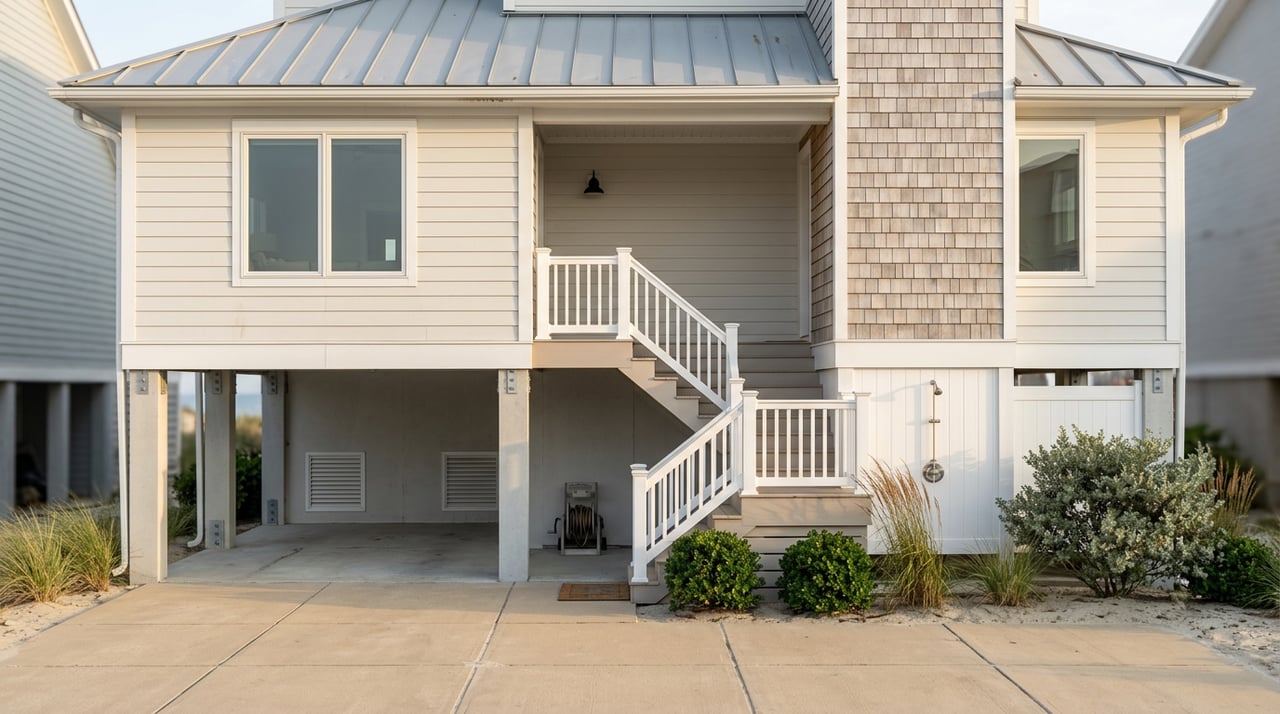
Your Guide to Fenwick Island Oceanfront Homes
March 5, 2026
March 5, 2026
Imagine stepping onto your deck each morning to the sound of waves and a front‑row view of the Atlantic. If you are eyeing Fenwick Island for that lifestyle, you are not alone. Oceanfront here is limited, in demand, and shaped by coastal rules that savvy buyers learn early. In this guide, you will get a clear picture of what you can buy, how coastal regulations and flood insurance work, what investors should know about rentals and taxes, and a concise due‑diligence checklist to protect your purchase. Let’s dive in.
Fenwick Island is a compact Delaware beach town bordered by the ocean and bay, with a small number of true oceanfront lots. That geographic constraint is a big reason demand stays strong. Supply is tight and listings are seasonal, so serious buyers often prepare before peak spring and summer months. Expect a luxury‑tilted price profile and competition for well‑located homes, especially those with unobstructed views and easy beach access.
Inventory is small, and only a handful of oceanfront listings are usually active at any moment. Sales often cluster in spring and summer, when second‑home buyers and vacation renters plan their seasons. If you are out of the area, consider setting alerts and lining up lender pre‑approval and insurance quotes in advance so you can act quickly when the right property hits.
Always verify the official flood‑zone designation for a specific address using FEMA’s Flood Map Service Center. Lenders and insurers rely on these maps for risk assessments and coverage needs. You can look up a property and download a FIRMette at the FEMA Map Service Center.
Delaware law defines a coastal “building line,” and activities seaward of this line, as well as many dune or beach alterations, require approval from the state. Before you plan renovations or landscape changes, review the DNREC coastal management policies and permitting rules in the state regulations.
The town also regulates what you can and cannot do on dunes, including maintenance, access points, and penalties for violations. If you are evaluating a specific property, confirm there are no open citations and that any prior dune work was permitted. Read the municipal code sections on beaches and dunes in the Fenwick Island code library.
Fenwick Island participates in Delaware’s coastal storm‑risk reduction projects with the US Army Corps of Engineers, which use engineered berms and dunes with periodic renourishment. These projects can reduce short‑term erosion risk, but they require ongoing funding and maintenance and do not eliminate long‑term flood exposure. For project context and updates, see the USACE Delaware coastal projects overview from the Philadelphia District.
FEMA’s NFIP Risk Rating 2.0 uses multiple property‑specific factors, not just zone, to price risk. Distance to water, elevation, flood frequency, and replacement cost can all influence premiums. Get binding flood quotes for the exact address early in your process. Learn how the new rating works from FEMA’s overview of Risk Rating 2.0.
If a property is in a Special Flood Hazard Area, your lender will likely require flood insurance. Ask whether the seller’s NFIP policy is on a capped escalation glidepath and whether assumption is possible, since a lapse can trigger a jump to full‑risk pricing. FEMA discusses these dynamics in its advocate program report.
An Elevation Certificate from a licensed surveyor can help rate your policy and, in some cases, support a Letter of Map Amendment when a structure is above the Base Flood Elevation. Check the seller’s files for an existing certificate, or budget for a new survey during due diligence. For an overview of the LOMA process, see this practical guide on FEMA flood zone letters and map amendments.
Some private carriers write competitive coastal policies, depending on elevation, prior claims, and underwriter appetite. Smart buyers get at least one NFIP quote and one private quote to compare coverage and price. Structural mitigation like flood vents and compliant first‑floor construction can help reduce both damage risk and rated premiums over time.
Delaware has adopted a 4.5 percent state short‑term lodging tax that applies to short‑term rental agreements entered into on or after January 1, 2025. The Division of Revenue has published guidance on registration and collection responsibilities. Review the state’s announcement for details on scope and timing in the official guidance.
Counties may also adopt additional lodging taxes, and municipalities can require local permits and inspections, which can affect net income. Monitor Sussex County actions and allocations for tourism and beach projects through public updates and meeting notes.
The town regulates rentals, including gross rental receipts and reporting schedules, and enforces beach and dune rules that may affect operations. Investors should confirm current requirements with the Borough and understand penalty structures that could impact revenue. Start with the town’s code portal and rental‑related sections in the municipal code.
Condominiums and some deed‑restricted communities often set minimum stay lengths, blackout dates, or other limits. Always obtain the latest governing documents and enforcement history during your review window. Build those constraints into your pro forma before you finalize an offer.
Use this list to focus your contingencies and protect your timeline.
Value in Fenwick Island oceanfront comes from direct beach access, unobstructed views, and limited supply near a major tourism corridor. These fundamentals tend to support demand from both lifestyle buyers and investors. Risks that can raise carrying costs include rising flood premiums under Risk Rating 2.0, more frequent high‑tide flooding, dune erosion, and policy changes that affect rentals.
For long‑term context, federal science projects average sea levels along the East Coast will likely rise by about 10 to 12 inches on average by 2050, which can increase flood frequency and depth. Review the projections and planning guidance from NOAA’s 2022 Sea Level Rise report. Public nourishment projects can reduce near‑term erosion risk, yet they require consistent cycles and do not eliminate long‑term exposure. Balance the immediate lifestyle and rental upside with a practical plan for insurance, maintenance, and mitigation.
If you are ready to explore oceanfront in Fenwick Island with a seasoned, concierge partner, connect with Shore4U Real Estate. We will help you source the right homes, navigate coastal rules, and coordinate inspections, quotes, and closing details with care.
July 23, 2026
July 16, 2026
July 2, 2026
June 18, 2026
June 4, 2026
May 21, 2026
Ready to buy, sell, or invest in real estate? Reach out to Shore4U Real Estate today to start a conversation. They are here to help.