Sunset Island HOA Special Assessments: What Buyers Should Know
September 17, 2026
September 17, 2026
Ask enough people who own property on Sunset Island about their dues, and a specific number comes up more than once: $75,000. That's the size of the special assessment some condo owners on the island have faced in recent years, according to accounts from owners themselves, with certain buildings reportedly crossing $100,000 per unit as of a 2025 review of the community. These are million-dollar properties. The owners are not distressed. The bill still lands.
What almost never comes up in the same conversation is a townhome or single-family owner facing the same number. That gap is not random and it is not about which buildings got unlucky. It traces back to a state law that changed what every Maryland condo association is legally required to save, and to the way Sunset Island's ownership is split between condo regime buildings and fee simple homes that were never subject to the same math. If you're comparing a condo unit to a townhome on the island right now, that split is the single most important thing your resale disclosure package will tell you, and it's worth understanding before you write an offer rather than after you own the bill.
Maryland's House Bill 107 took effect on October 1, 2022, and made reserve studies mandatory statewide for condominiums, homeowners associations, and cooperatives, not just the two counties that had required them before. Every covered association now has to hire a qualified professional to inventory its major common components, estimate how much life each one has left, and calculate what it would cost to replace them. Then the association has to fund a reserve account to match.
That sounds like housekeeping. In practice it forced a reckoning. Associations that had been collecting dues at a comfortable, familiar level for years suddenly had a document stating, in writing, exactly how underfunded they were. House Bill 292, which took effect October 1, 2025, went further and required boards to adopt a formal funding plan tied to that study, with only a narrow hardship exception requiring a two-thirds board vote and documented justification to deviate from it.
For a condo building that had been quietly underfunding its reserves for a decade, the math doesn't care how the owners feel about it. The gap between what was saved and what the study says should have been saved becomes a special assessment, because there is no other place for that money to come from. This is the mechanism behind the $75,000 and $100,000 figures tied to Sunset Island's condo buildings. It is not mismanagement in the dramatic sense. It is a state law converting years of deferred saving into a single invoice.
Then, in March 2026, Fannie Mae issued Lender Letter LL-2026-03, tightening its condo project review standards in coordination with the Federal Housing Finance Agency. The letter is explicit that condo projects with thin reserves struggle to fund both routine maintenance and unexpected costs, which pushes owners toward exactly this kind of assessment. For a Sunset Island condo buyer trying to finance a purchase in 2026, that means lenders are now looking harder, and sooner, at a building's reserve study and funding plan before approving a loan. It is one more reason the condo side of the island and the fee simple side are no longer interchangeable from a buyer's perspective, even when they sit two streets apart.
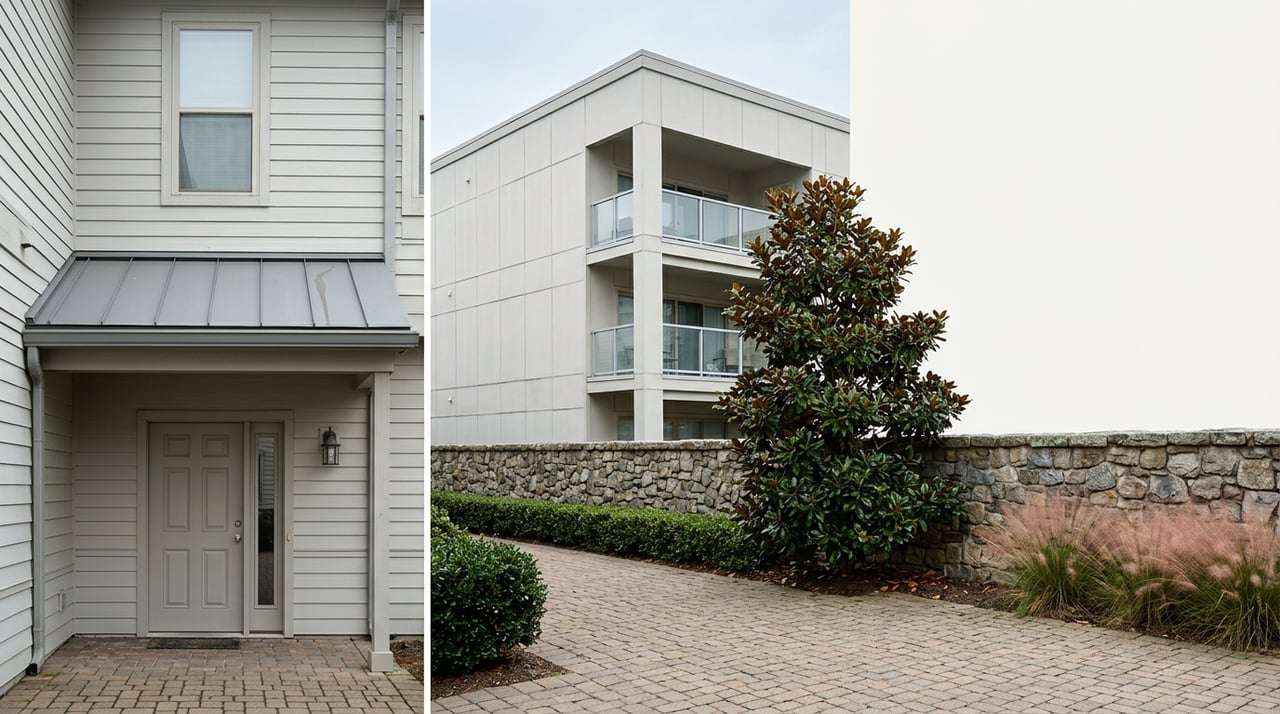
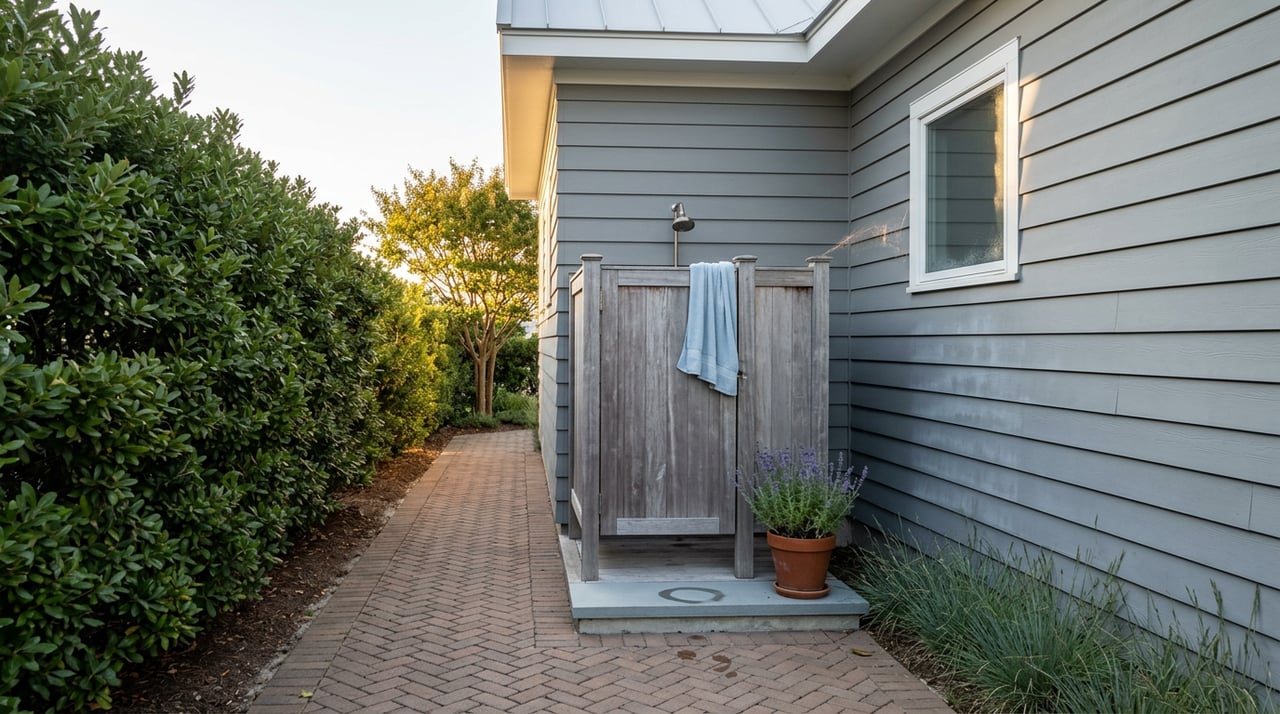
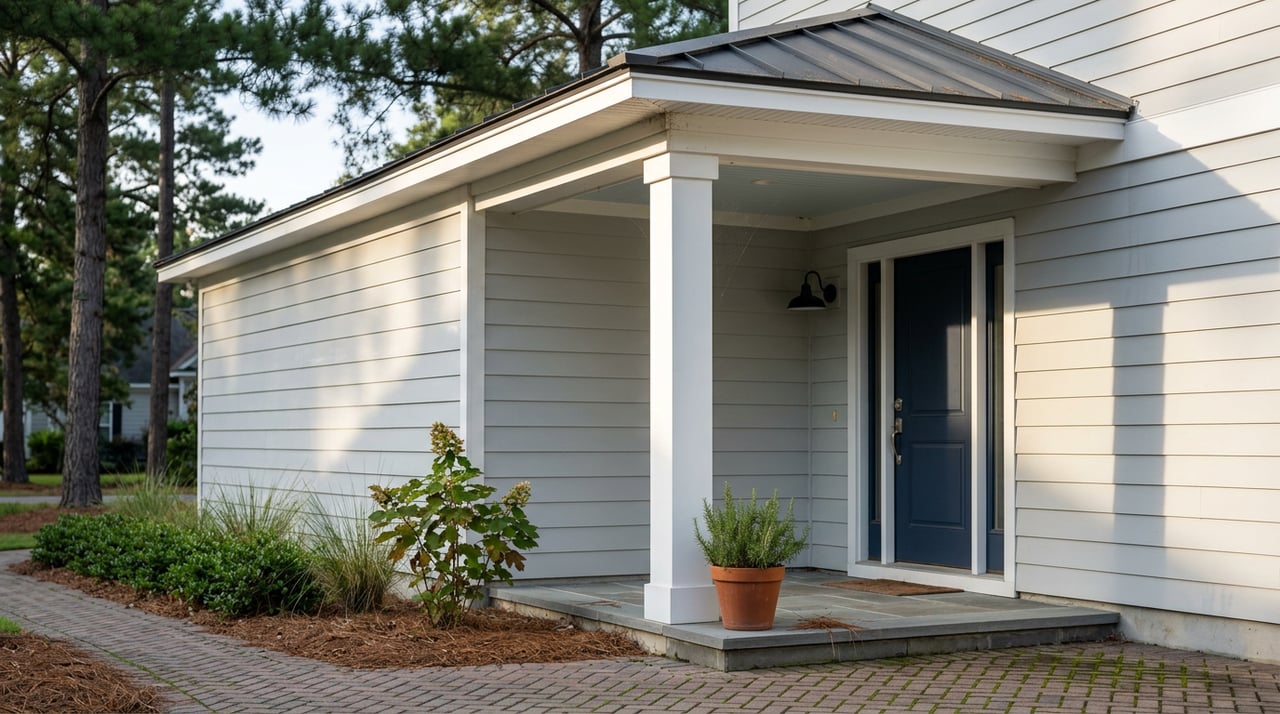
Sunset Island is a 37-acre gated community on the Assawoman Bay at 67th Street, built in a neo-traditional style with brick sidewalks and rear-loaded garages, and it holds roughly 493 homes and condos organized around a 108-slip marina and three private beaches. Underneath that shared setting, though, three different ownership structures carry three different exposure levels to reserve-driven assessments.
| Ownership type | Governing structure | Typical monthly carrying cost | Special assessment exposure |
|---|---|---|---|
| Condominium unit | Building-level condo association plus master HOA | Master HOA fee roughly $300 to $400, plus a separate building condo fee roughly $600 to over $1,000, per a 2026 community cost review | Subject to the building's own reserve study and funding plan; this is where the large assessments have occurred |
| Townhome | Often fee simple, may still carry a master HOA fee | Master HOA fee only in most cases | Lower exposure to building-specific reserve shortfalls, though master association costs like docks and shoreline work still apply |
| Single-family home | Fee simple, master HOA fee | Master HOA fee only | Lowest shared-building exposure; owner carries individual maintenance and any deeded dock or bulkhead directly |
The master HOA that covers the whole island funds shared costs like the gatehouse, road maintenance, common landscaping, and the pier and dock system. That fee applies to nearly everyone. The building-level condo fee is a separate, second layer that only applies to condo owners, and it is that second layer, tied to a single building's roof, siding, elevators, and mechanical systems, where the reserve study math has actually produced the large bills.
This is also why one Sunset Island market guide published in 2025 noted that buyers and their agents have grown partial to the townhomes and single-family homes specifically because of recent condo assessments. It isn't that fee simple owners never pay for shared infrastructure. It's that they aren't standing behind a single building's roof and elevator bill the way a condo owner is.
Maryland's disclosure rules already require a seller to hand over HOA financials, current fees, and delinquency status before or shortly after contract, and a buyer who receives incomplete disclosures generally has rescission rights. That baseline protects you, but it only works if you actually read what you're handed and ask for what's missing. For a Sunset Island purchase, that means going past the standard packet with a short, specific list:
None of this replaces a real estate attorney's review of the governing documents, but it tells you what to put in front of one.
Does buying a fee simple townhome mean I avoid HOA costs entirely? No. You still pay into the master HOA that funds the gate, roads, and shared shoreline infrastructure. What you avoid is the second, building-specific condo fee and its associated reserve study exposure, which is where the largest assessments have occurred.
How do I know if a reserve study is actually current? Maryland requires updates at least every five years, and a study more than five years old means the association is out of compliance with state law, not just behind on best practice. Ask for the date of the most recent study and the funding plan adopted alongside it, not just a summary line in the budget.
Are boat slips included when I buy a condo or townhome here? Not automatically. Slip rights vary by building and by unit, and can be deeded, assigned by the association, or leased separately. Confirm this in writing before you assume marina access comes with the property.
Every one of these questions has a paper answer somewhere in a seller's files. The work is asking for the right document before you're under contract, not after.
If you're weighing a Sunset Island condo against a townhome or single-family home and want someone to walk the actual disclosure package with you line by line, Shore4U Real Estate can help you read past the listing price to what you'd actually be signing up for. Discover Your Perfect Beach Home, with the numbers explained before you make an offer, not after.
October 1, 2026
September 17, 2026
September 3, 2026
August 20, 2026
August 6, 2026
July 23, 2026
Ready to buy, sell, or invest in real estate? Reach out to Shore4U Real Estate today to start a conversation. They are here to help.