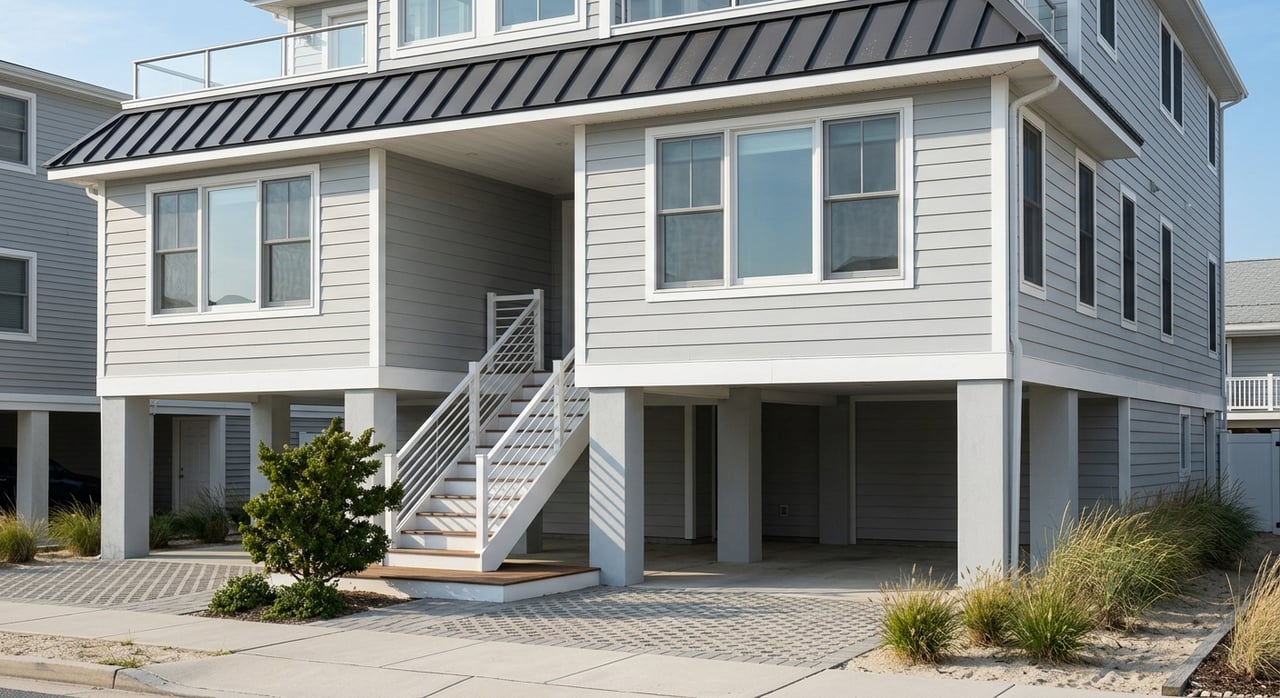
Rehoboth Beach Neighborhoods: Boardwalk or Bayside
July 2, 2026
July 2, 2026
Trying to choose between the boardwalk and the bayside in Rehoboth Beach? That decision shapes not just what you buy, but how you’ll live there day to day. If you are weighing walk-out beach access against more space and easier parking, this guide will help you compare both options with a clear local lens. Let’s dive in.
In Rehoboth Beach, the boardwalk core is centered around Rehoboth Avenue, the boardwalk, and the first two blocks inland from Baltimore Avenue to Wilmington Avenue. This is where the city’s beach, boardwalk, downtown shops, dining, and Bandstand activity are concentrated.
“Bayside” is more of a practical buying term than a formal city district. In this context, it generally means neighborhoods outside the oceanfront core, where you are more likely to find residential streets, larger lots, garages, driveways, and homes designed for a little more breathing room.
The right fit depends on what matters most to you. If you want a highly walkable beach lifestyle, the boardwalk may feel worth the premium. If you want more space and easier daily logistics, bayside or inland areas may give you better long-term comfort.
Boardwalk living is about immediate access. You can step outside and be close to the beach, restaurants, boutiques, and summer events without relying much on a car.
The city’s Bandstand adds to that appeal, with free concerts held Friday through Sunday evenings from mid-June through Labor Day weekend. For many buyers, that kind of energy is exactly what makes a second home or vacation property feel special.
If you picture mornings by the ocean and evenings strolling to dinner, the boardwalk core delivers that experience. The downtown commercial district is tightly clustered, which makes it easy to enjoy a walk-everywhere routine.
That convenience can be especially appealing if you are buying a getaway property and want simple, low-friction visits. You may be able to park once and spend most of your stay on foot.
Near the boardwalk and oceanfront, condos are a major part of the housing mix. There are also a limited number of high-end single-family homes, but the inventory tends to lean toward attached or condominium-style living.
Current examples in the market include boardwalk and ocean-block condos with features like secure indoor parking, rooftop amenities, and mixed-use locations. There are also oceanfront single-family homes, though those are much less common and typically come at the top end of the market.
The boardwalk area has the liveliest summer feel. With beach activity, concerts, shopping, and dining concentrated nearby, this part of town tends to be more active and visitor-heavy in peak season.
That can be a major plus if you want energy and convenience. But if you prefer a quieter setting, it is worth thinking carefully about whether the summer pace matches how you plan to use the home.
Bayside or inland neighborhoods usually appeal to buyers who want more practical everyday living. You are often trading a few extra minutes of travel for more square footage, more storage, and easier parking.
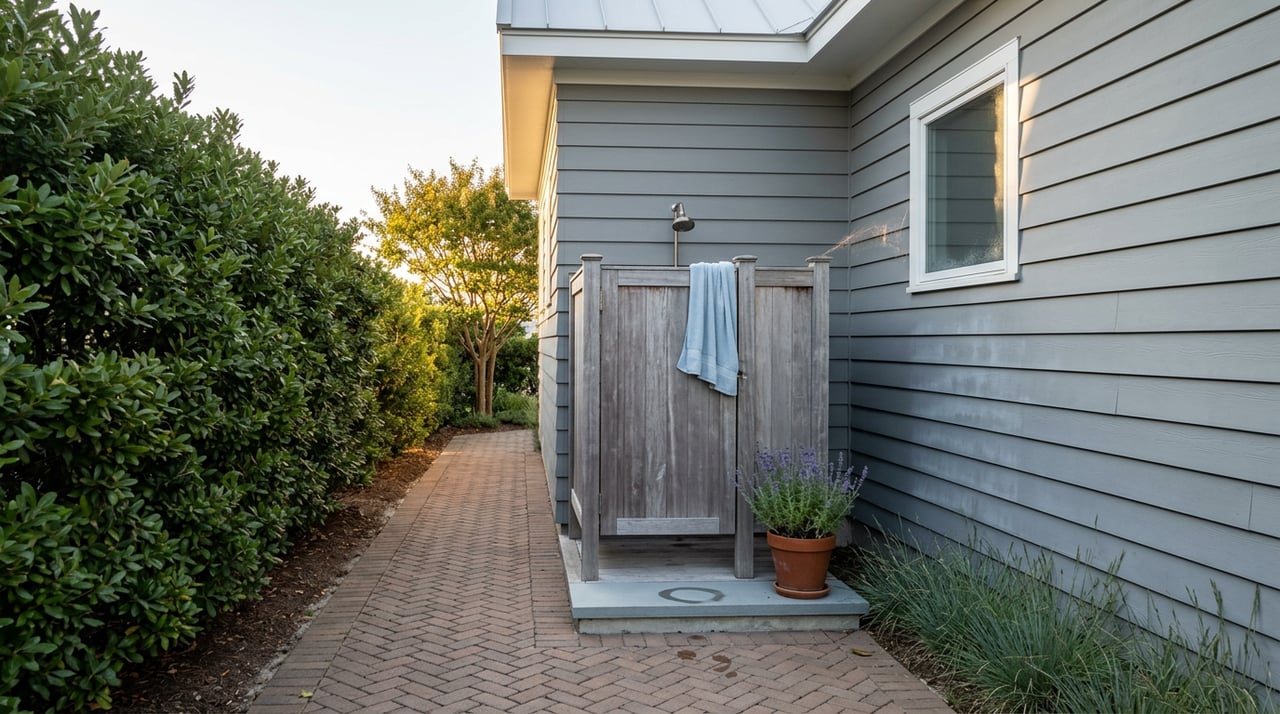
Current listings in communities such as Bald Eagle Village, Kinsale Glen, Arbor-Lyn, and Country Club Estates highlight features like attached garages, patios, screened porches, outdoor showers, and larger lots. Those details matter if you are planning longer stays or more regular year-round use.
Inland homes are more likely to offer layouts and lot sizes that feel comfortable for extended visits, hosting guests, or full-time living. You may also find more townhomes and single-family homes with off-street parking built into the property.
That extra space can be especially valuable if you want room for beach gear, bikes, or multiple vehicles. In a coastal town where parking can become a real issue in summer, that convenience adds up quickly.
Outside the boardwalk core, many neighborhoods feel less tied to the tourist corridor. Listings often emphasize cul-de-sacs, quieter streets, garages, and outdoor living rather than immediate access to downtown activity.
For some buyers, that balance is ideal. You are still in Rehoboth Beach, but your home base may feel calmer and more private.
Choosing inland does not mean giving up beach access. In many cases, you can still get to downtown or the boardwalk by a short drive or bike ride rather than by simply walking out the door.
Current listings show examples roughly 1.5 miles from downtown and others about 4.3 miles from the boardwalk. That difference matters, so it helps to think honestly about how often you want to be in the center of activity.
Rehoboth Beach is an expensive market overall, but the price story is not as simple as “boardwalk costs more, inland costs less.” The boardwalk and oceanfront side does tend to command premium pricing, yet values can vary widely by property type, exact location, and season.
Recent market snapshots show a median sale price around $1,011,395. Redfin reports median single-family pricing around $2,023,971, condos and co-ops around $499,811, and townhouses around $999,196, while Zillow and Realtor.com show lower overall market snapshots using different methods and time frames.
Recent boardwalk and oceanfront examples run from the high $400,000s for smaller units to multi-million-dollar single-family homes. Even within the same building, sold prices can vary significantly depending on size, condition, view, and parking.
That means you should compare like with like. A compact condo near the boardwalk may cost less than an inland single-family home, but it offers a very different ownership experience.
Bayside and inland areas often give you more house for the money, but many homes still sit in the upper-midmarket or luxury range. Current inland-oriented examples under $800,000 show the appeal of more land, garages, and larger living areas.
There is also a middle ground. In-town neighborhoods away from the immediate boardwalk can still carry premium pricing if they are close to Rehoboth Avenue and the beach.
Parking is one of the biggest practical factors in Rehoboth Beach ownership. The city says parking is free most of the year, but from May 15 to September 15, meters and permits are in effect for public street and public lot parking.
During that season, permits are required in designated areas from 10 a.m. to 5 p.m., and metered spaces are paid from 10 a.m. to 10 p.m. If you expect to host guests or use your property often in summer, this is not a small detail.
Near the boardwalk, private parking can be a major value driver. Some current condo listings specifically highlight secure indoor parking, underground parking, or dedicated garage spaces.
That feature can make day-to-day ownership much easier in peak season. It is one of the first details many buyers should evaluate when comparing similar properties.
Inland listings commonly emphasize driveways, attached garages, and streets that are less dependent on paid public parking. That can reduce friction for owners and visitors alike.
Even so, summer parking rules still affect public streets and public lots citywide. So if you are buying inland, it still makes sense to think through guest parking and how you plan to get to the beach during busy months.
The boardwalk and beach area are managed as a pedestrian-first environment. Motorized vehicles are not allowed on the boardwalk or beach, and bikes are allowed on the boardwalk only from 5 a.m. to 10 a.m. during the summer season.
There are also seasonal rules that affect how people use the area. Dogs are not allowed on the beach or boardwalk from May 15 to September 15, and the city also limits umbrellas and prohibits tents and canopies.
These rules do not make boardwalk living less attractive, but they do shape the experience. If you are buying for a very specific beach routine, it is smart to understand those details before you choose a location.
If your top priorities are immediate beach access, easy walks to dining and shopping, and a classic summer-at-the-shore feel, the boardwalk core is likely the stronger match. It is especially appealing for buyers who want the beach experience to begin the moment they step outside.
If your priorities are more living space, easier parking, and a home that may work better for longer stays or year-round use, bayside or inland neighborhoods often make more sense. You may give up some walkability, but gain comfort and flexibility.
In many cases, the best answer is not one or the other. It is the location that fits how you actually plan to use the property most of the time.
For a second-home buyer, that might mean choosing convenience and access over square footage. For a buyer planning longer visits, frequent guests, or a more residential feel, a home outside the boardwalk core may offer the better lifestyle value.
When you are comparing Rehoboth Beach options, the details matter. A concierge-minded local team can help you weigh location, parking, property type, and seasonal use so your decision works on paper and in real life. If you want tailored guidance on buying near the boardwalk or in a quieter part of town, connect with Shore4U Real Estate.
September 17, 2026
September 3, 2026
August 20, 2026
August 6, 2026
July 23, 2026
July 16, 2026
Ready to buy, sell, or invest in real estate? Reach out to Shore4U Real Estate today to start a conversation. They are here to help.